
“Conversation: Black Imaginaries.” Critical Productive Journal, Issue No. 3 (Summer 2026)
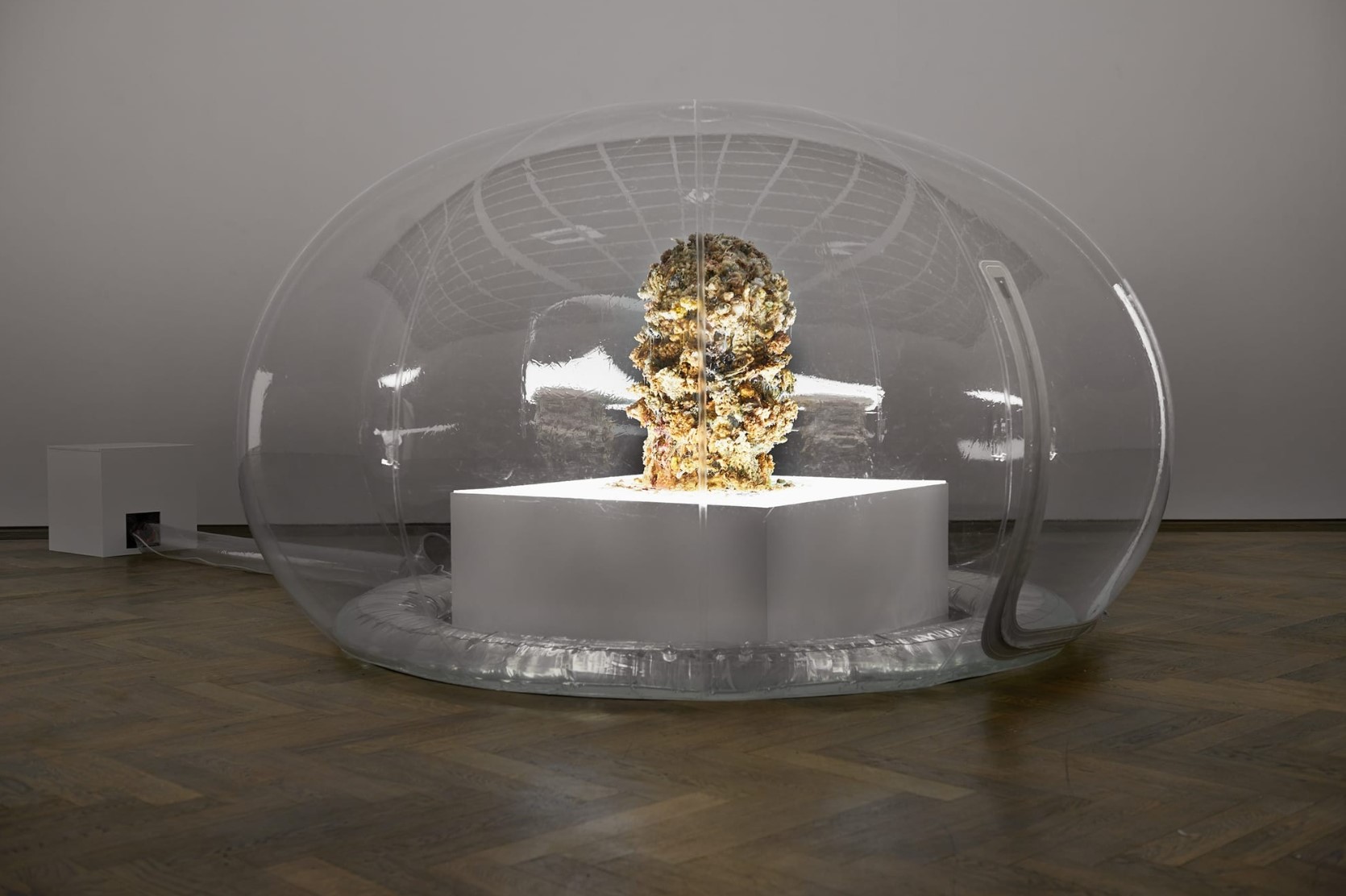
Minor Feelings, group exhibition, Los Angeles County Museum of Art (2027-29)
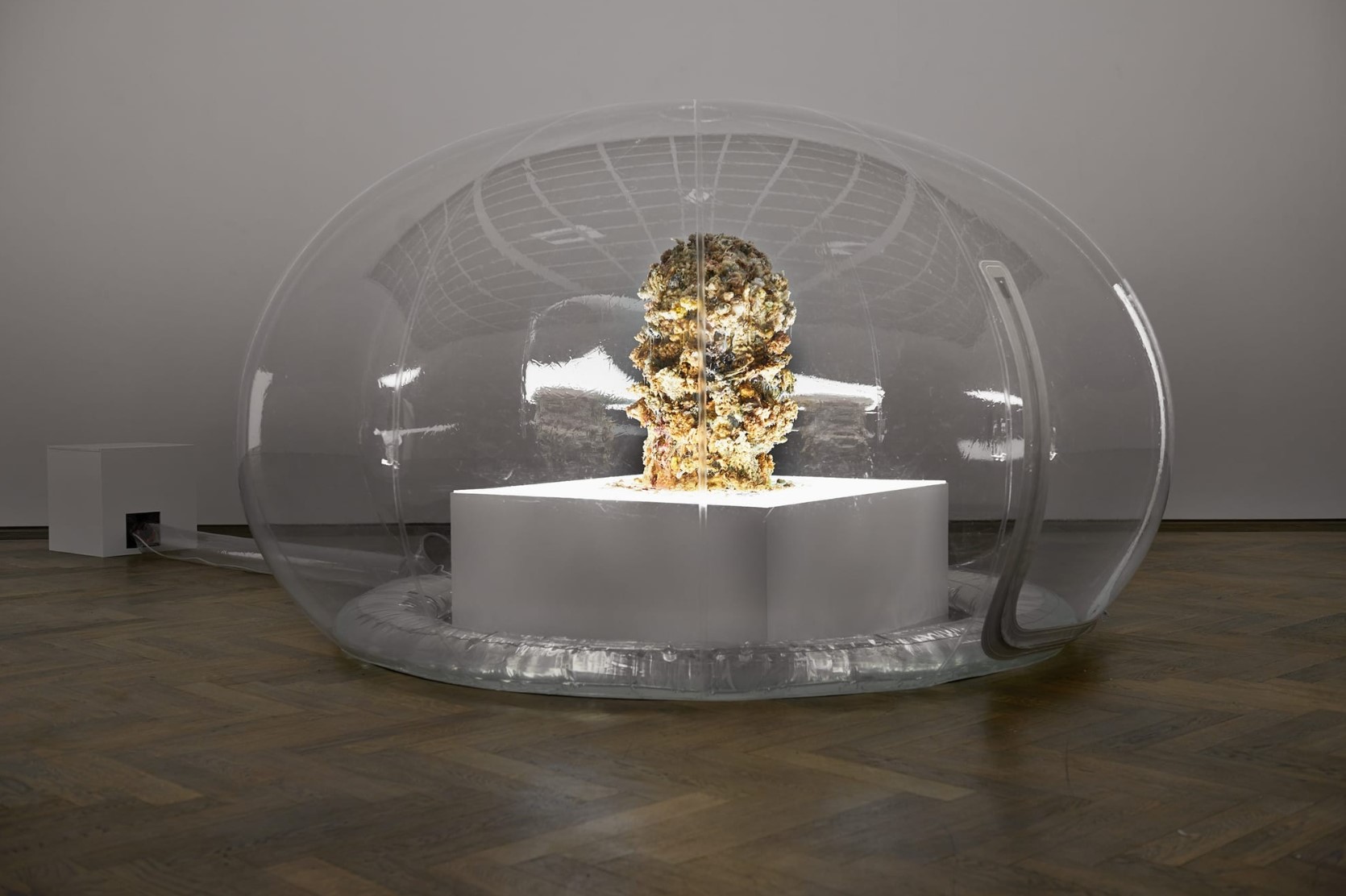
Minor Feelings, group exhibition, Los Angeles County Museum of Art (2027-29)

“The Aughts and the F Shows: Studio Museum in Harlem 2000-08.” Forthcoming publication, Studio Museum in Harlem, New York (2026)
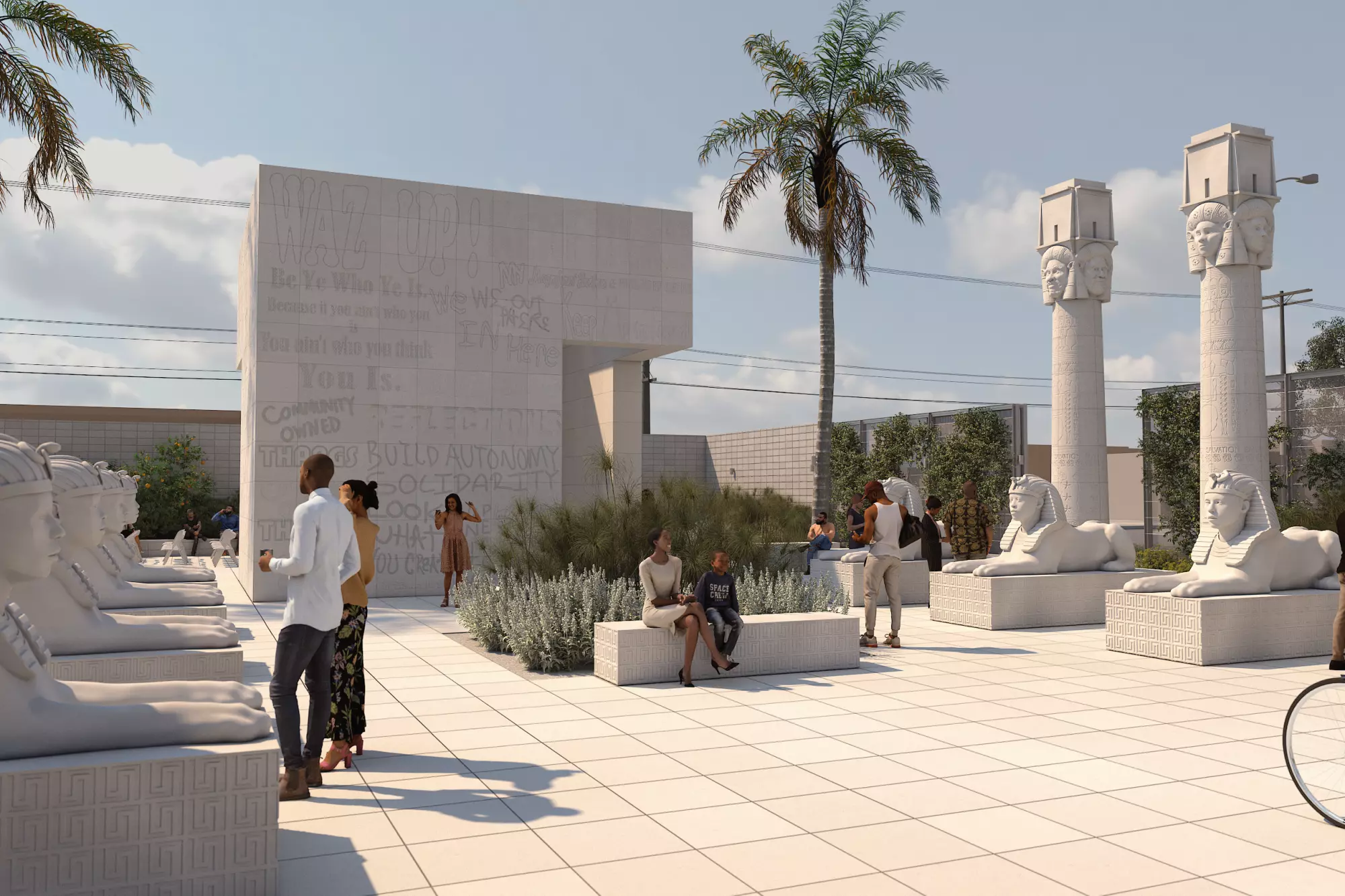
sister dreamer, lauren’s halsey’s ode to tha surge n splurge of southcentral los angeles, presented by Los Angeles Nomadic Division (LAND), in partnership withsummaeverythang community center, Los Angeles (2026-27)

Sovereignty of Quiet: Elizabeth Catlett, Njideka Akunyili Crosby, Barkley Hendricks, Rashid Johnson, Tau Lewis, Jennifer Packer, Paul Mpagi Sepuya, and Charles White, Tate Modern, London (2026-27)
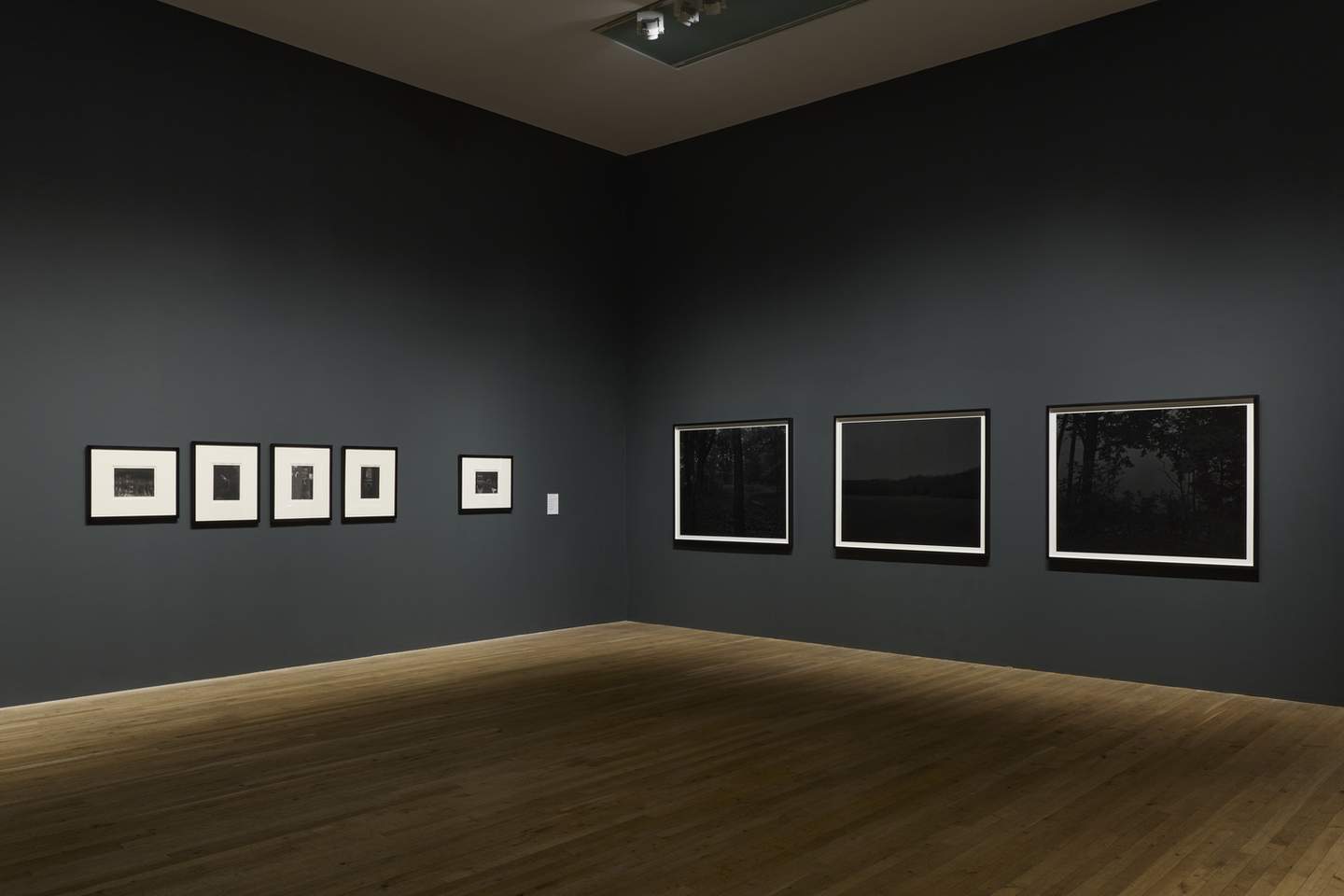
Poetics of Blackness: Dawoud Bey and Roy DeCarava, Tate Modern, London (2025-26)
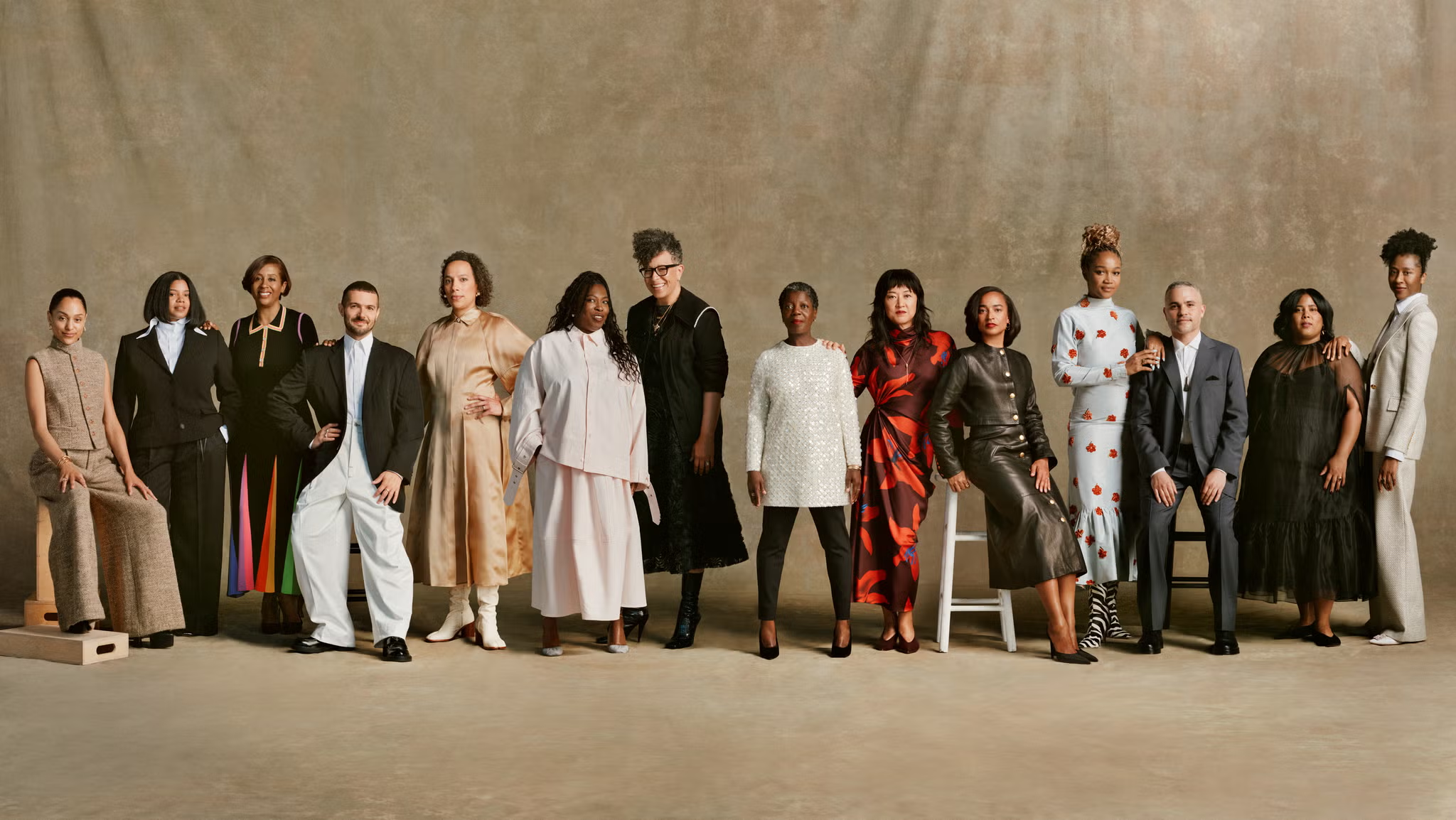
Tillet, Salamishah. “The Harlem Renaissance.” Harper’s Bazaar (September 2025)

Barbara Chase-Riboud and Robert Motherwell, Tate Modern, London (2024-25)
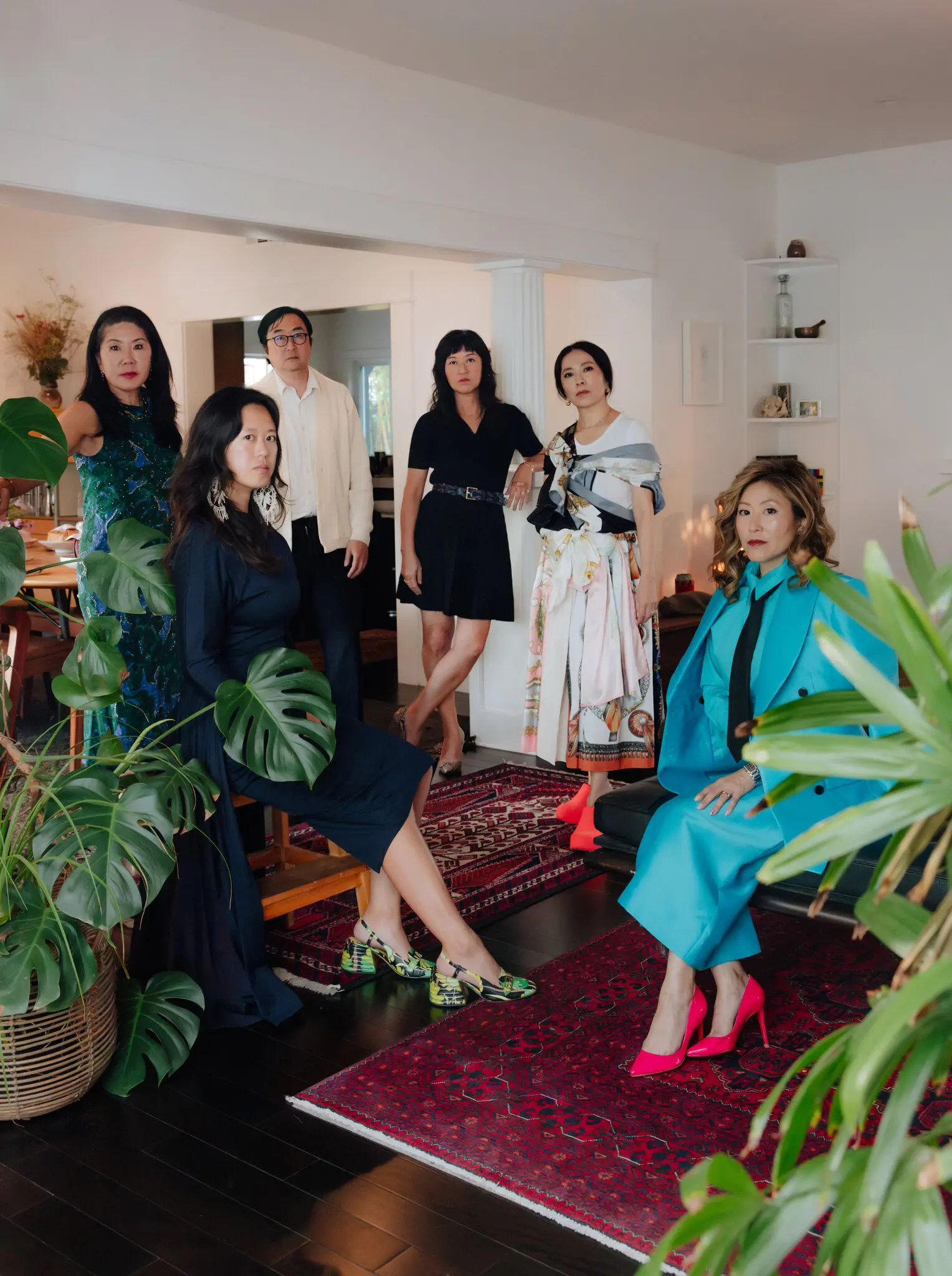
Kim Yungmee, Katherine. “When Chuseok Means a Full Moon and Handmade Rice Cakes.” T Magazine, New York Times (November 2025)
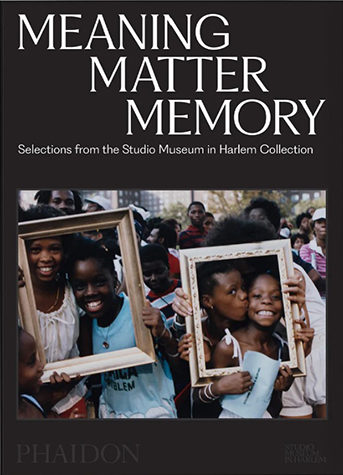
“Julie Mehretu.” Meaning, Matter, Memory: Selections from the Studio Museum in Harlem Collection, Studio Museum in Harlem, New York (2025)
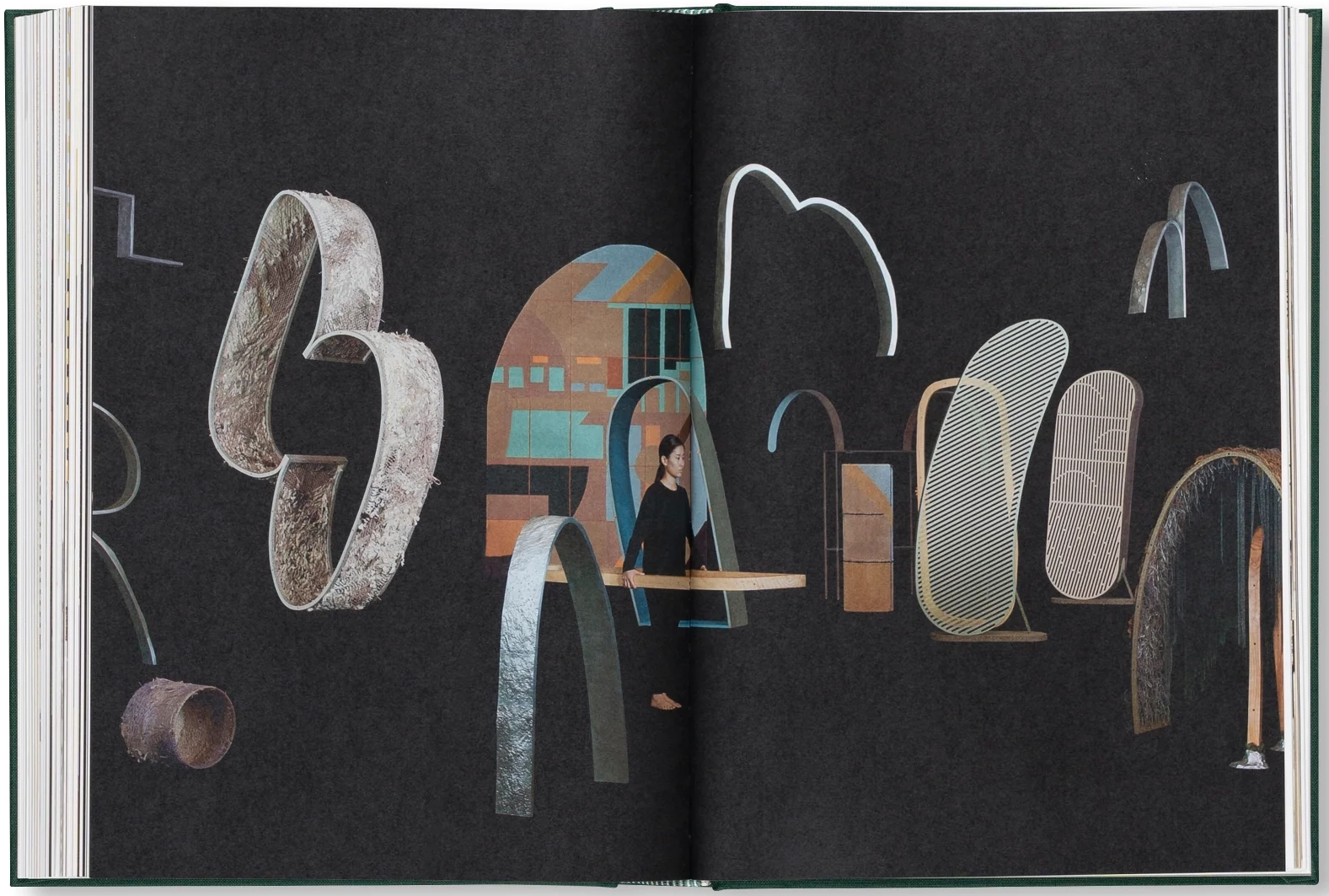
“Suki Seokyeong Kang: Willow Drum Oriole.” Suki Seokyeong Kang: Willow Drum Oriole, Leeum Museum of Art, Seoul, South Korea (2024)

Mooallem, Stephen. “L.A. Story.” Harper’s Bazaar (December 2023)
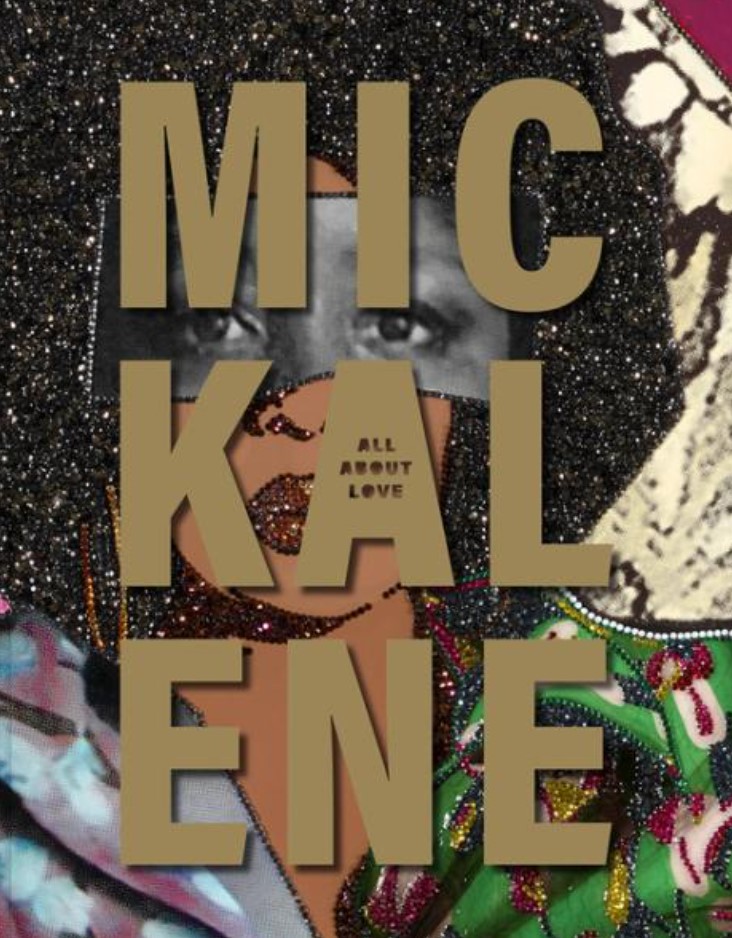
“Mickalene Thomas: Experimentation and the Aughts.” Mickalene Thomas: All About Love, exhibition catalogue, The Broad, Los Angeles (2024)
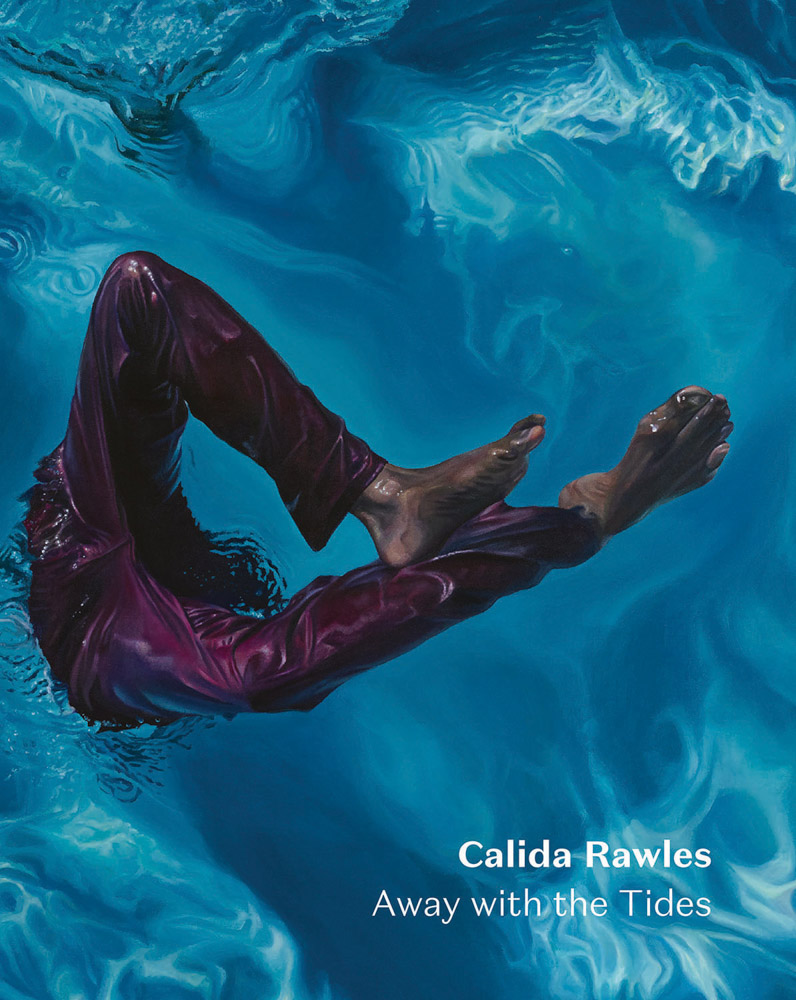
“Calida Rawles: In Conversation.” Calida Rawles: Away with the Tides, exhibition catalogue, Pérez Art Museum Miami (2024)

Black American Portraits, group exhibition, Los Angeles County Museum of Art (2021-22)
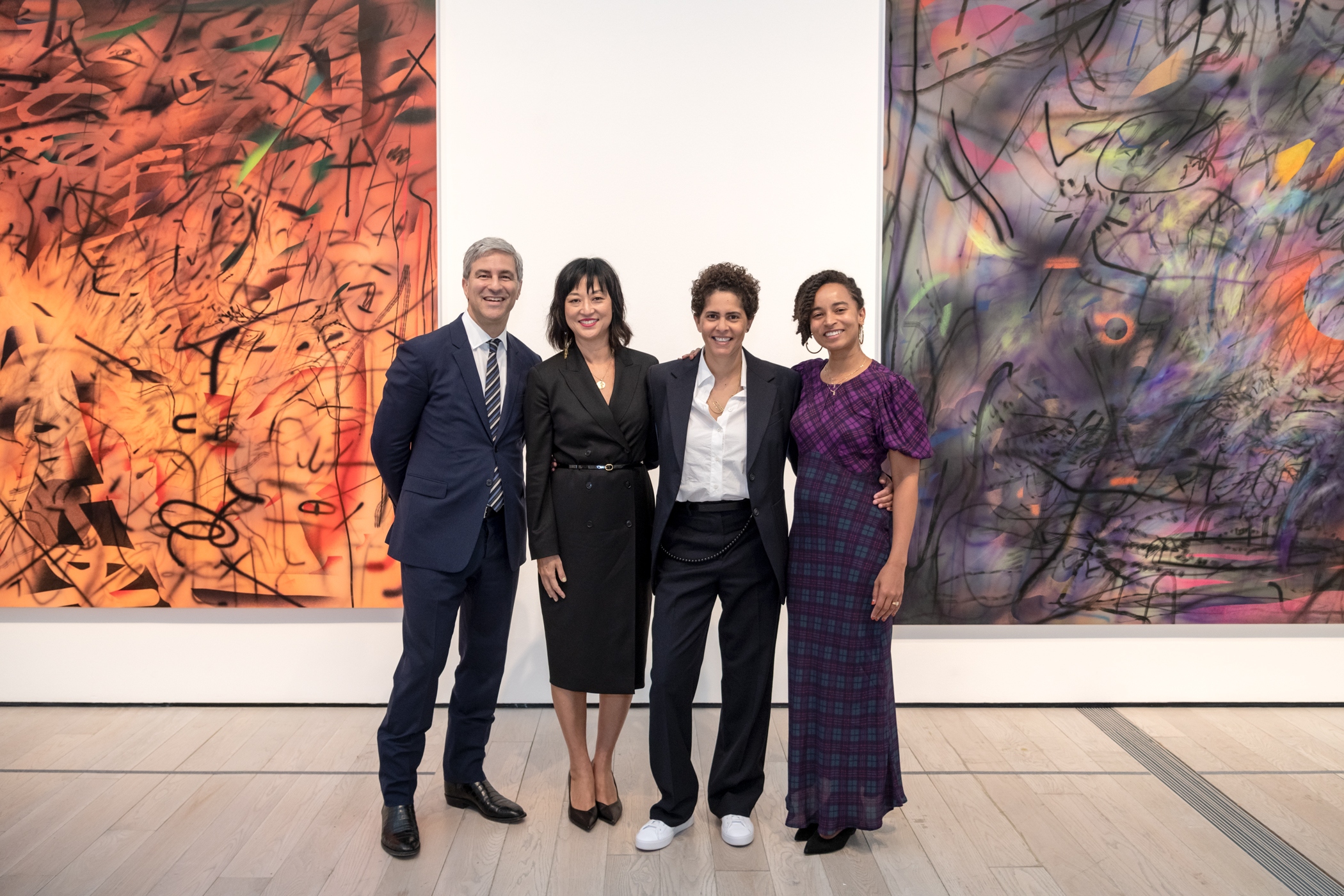
Julie Mehretu, solo exhibition, Los Angeles County Museum of Art and the Whitney Museum of American Art (2019-2022)
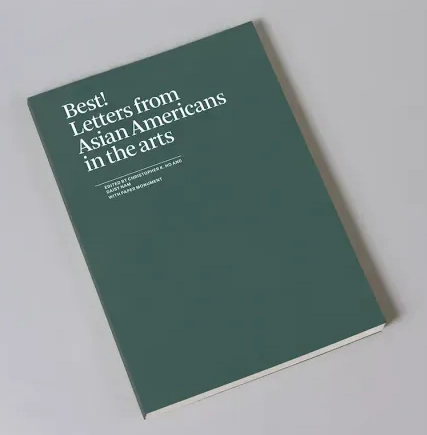
”Letter to my Sixth Grade Self.” Best! Letters from Asian Americans in the arts, Paper Monument (2021)
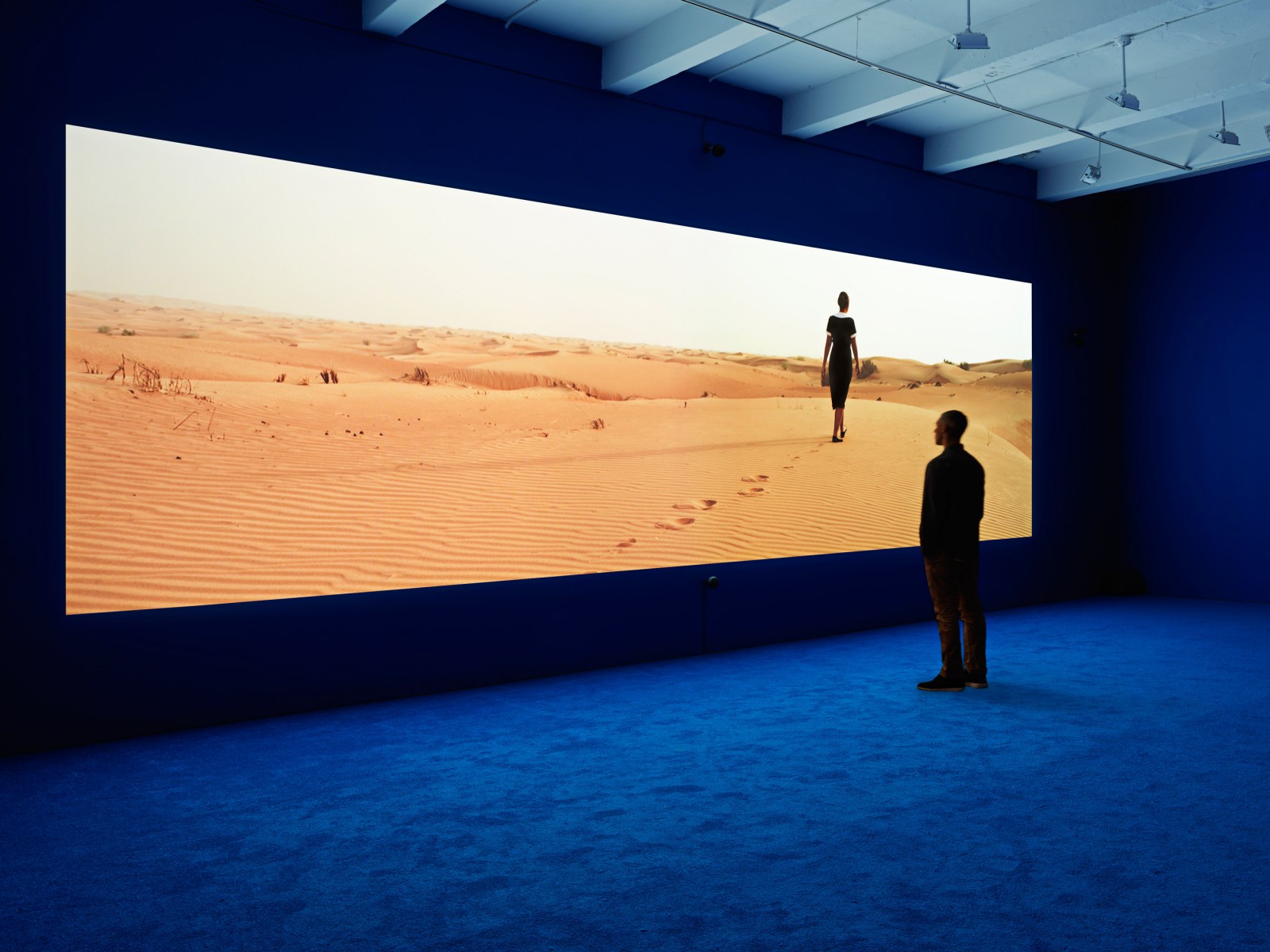
Isaac Julien: Playtime, solo exhibition, Los Angeles County Museum of Art (2019)
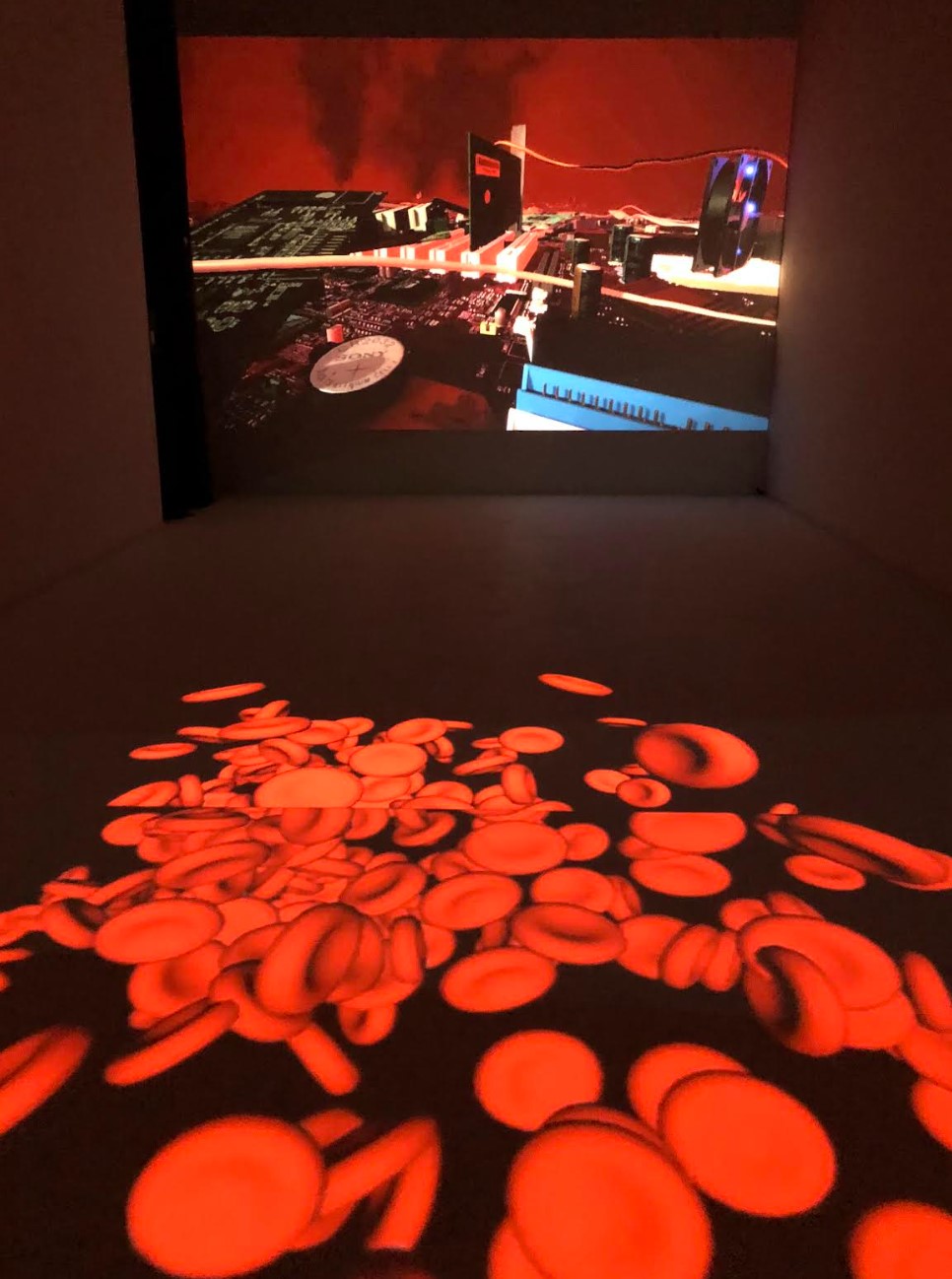
The Ends: Politics of Participation in the Post-Internet Age, 12th Gwangju Biennale, South Korea (2018)
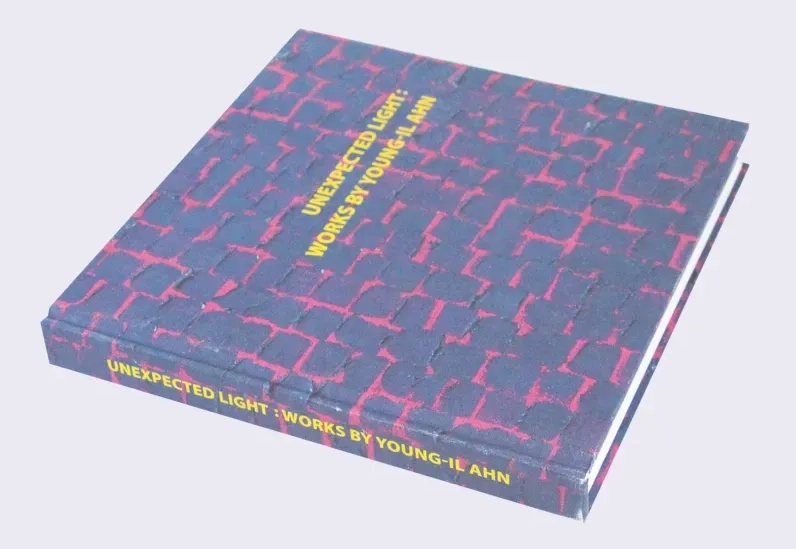
“1966 and the Light in LA.” Unexpected Light: Works by Young-Il Ahn, exhibition catalogue, Baik Art (2017)
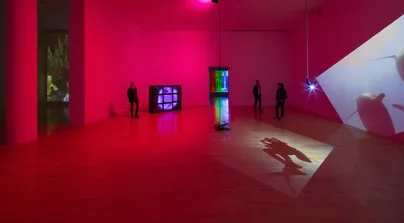
Diana Thater: The Sympathetic Imagination, solo exhibition, Los Angeles County Museum of Art (2015)
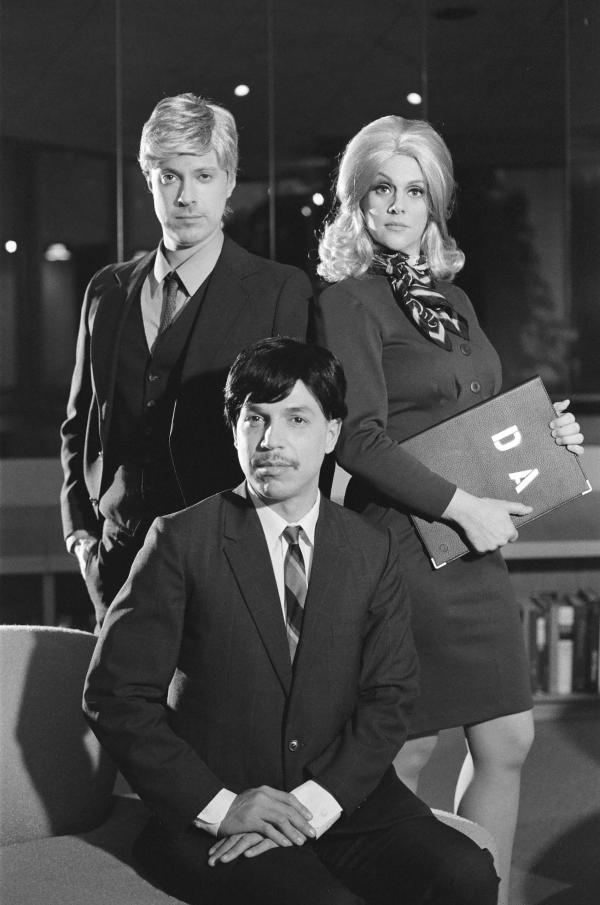
My Barbarian: Double Agency, Los Angeles County Museum of Art (2015)
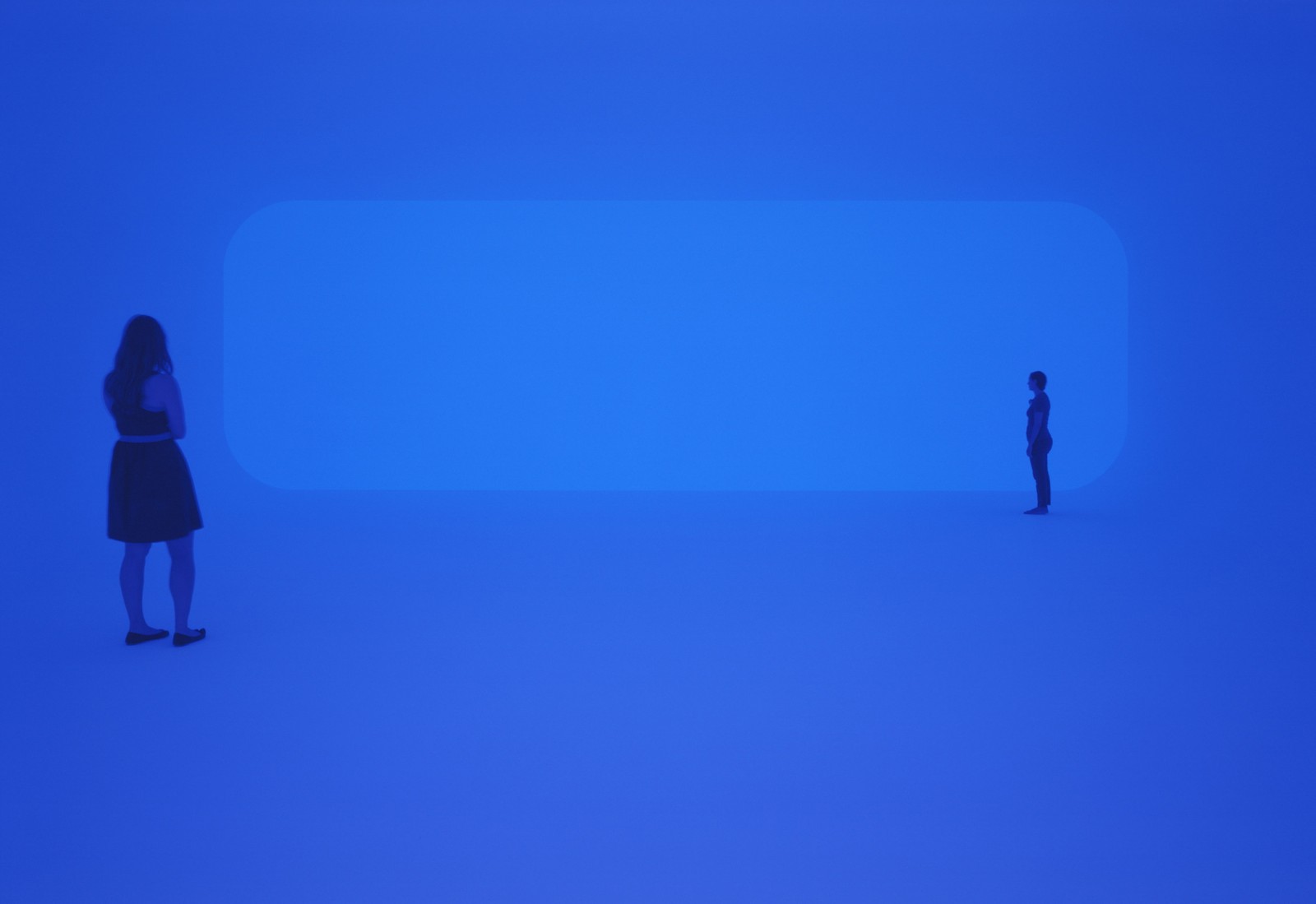
James Turrell: A Retrospective, Los Angeles County Museum of Art (2013-15)
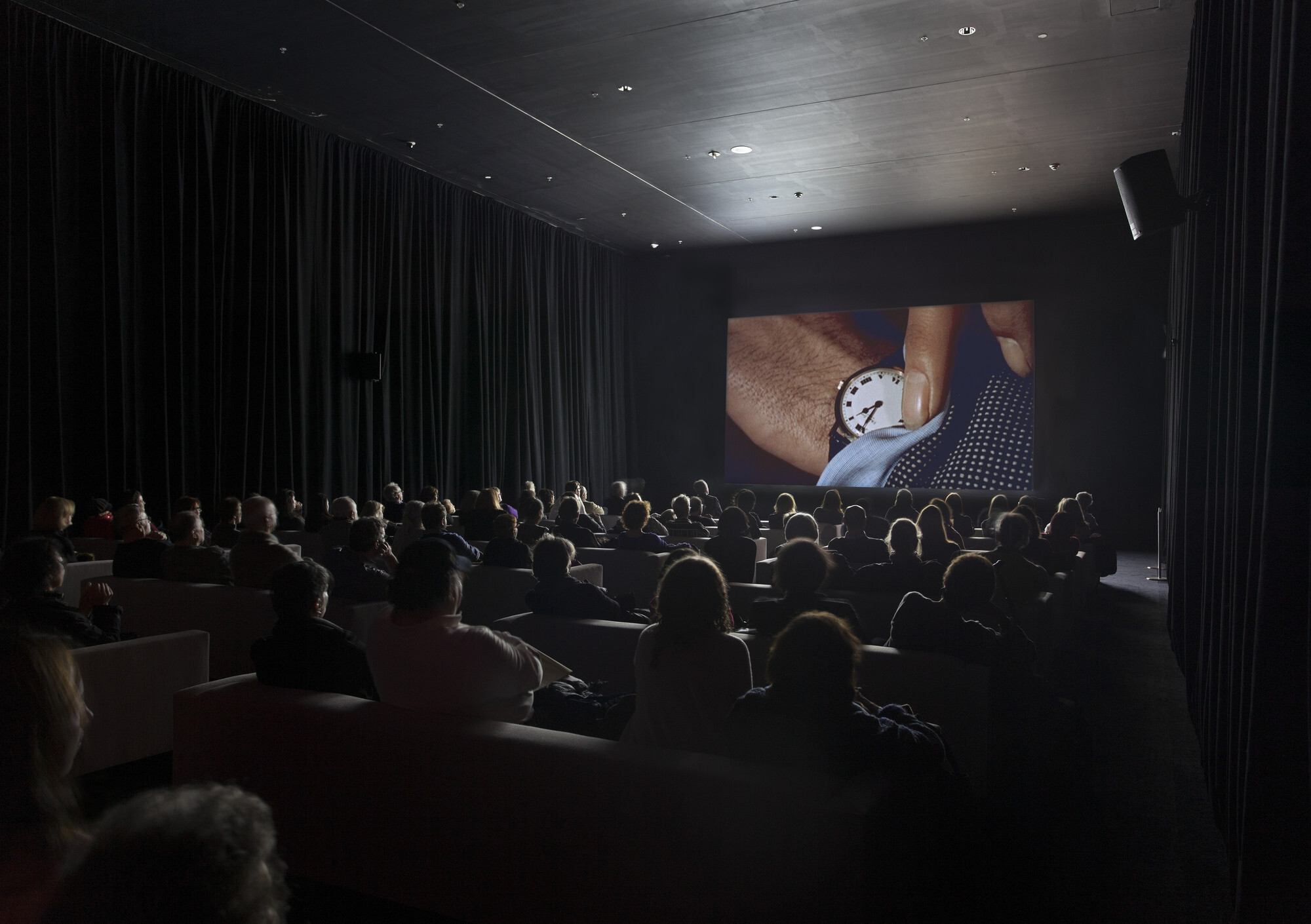
Christian Marclay: The Clock, Los Angeles County Museum of Art, 2011, 2012, 2015

“Deposing Dualities in Prospect 3.” Prospect 3: Notes for Now, Prestel, NY (2014)
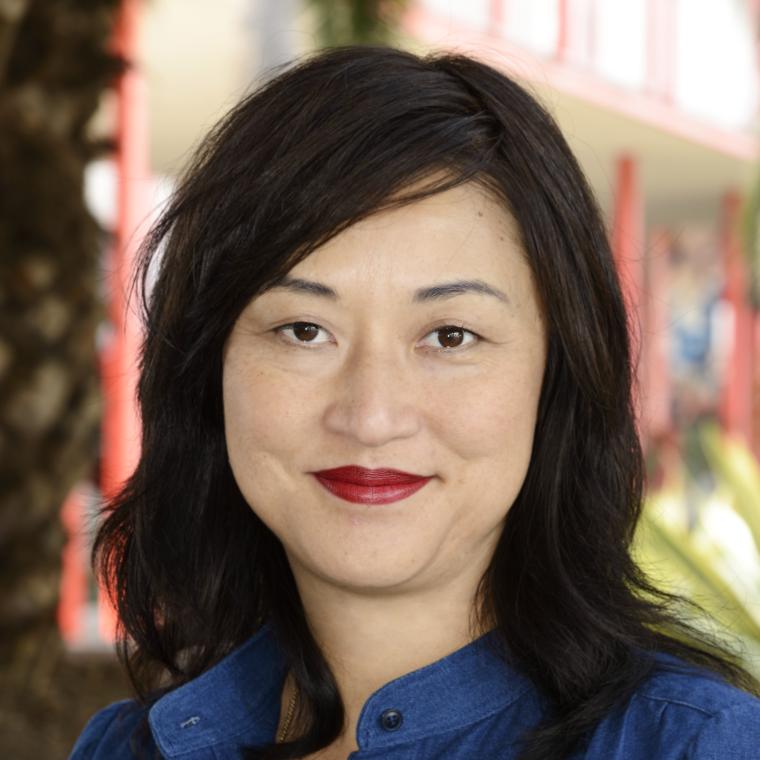
Abrams, Amy. “Christine Y. Kim Profile.” Art in America (June 2012)
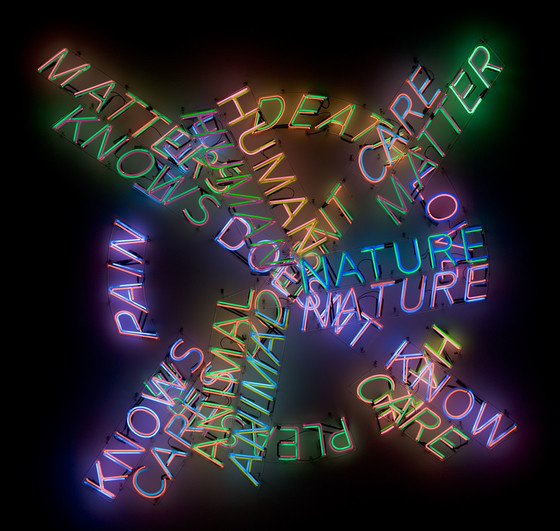
Human Nature: Selections from the Permanent Collection, group exhibition, Los Angeles County Museum of Art (2011)
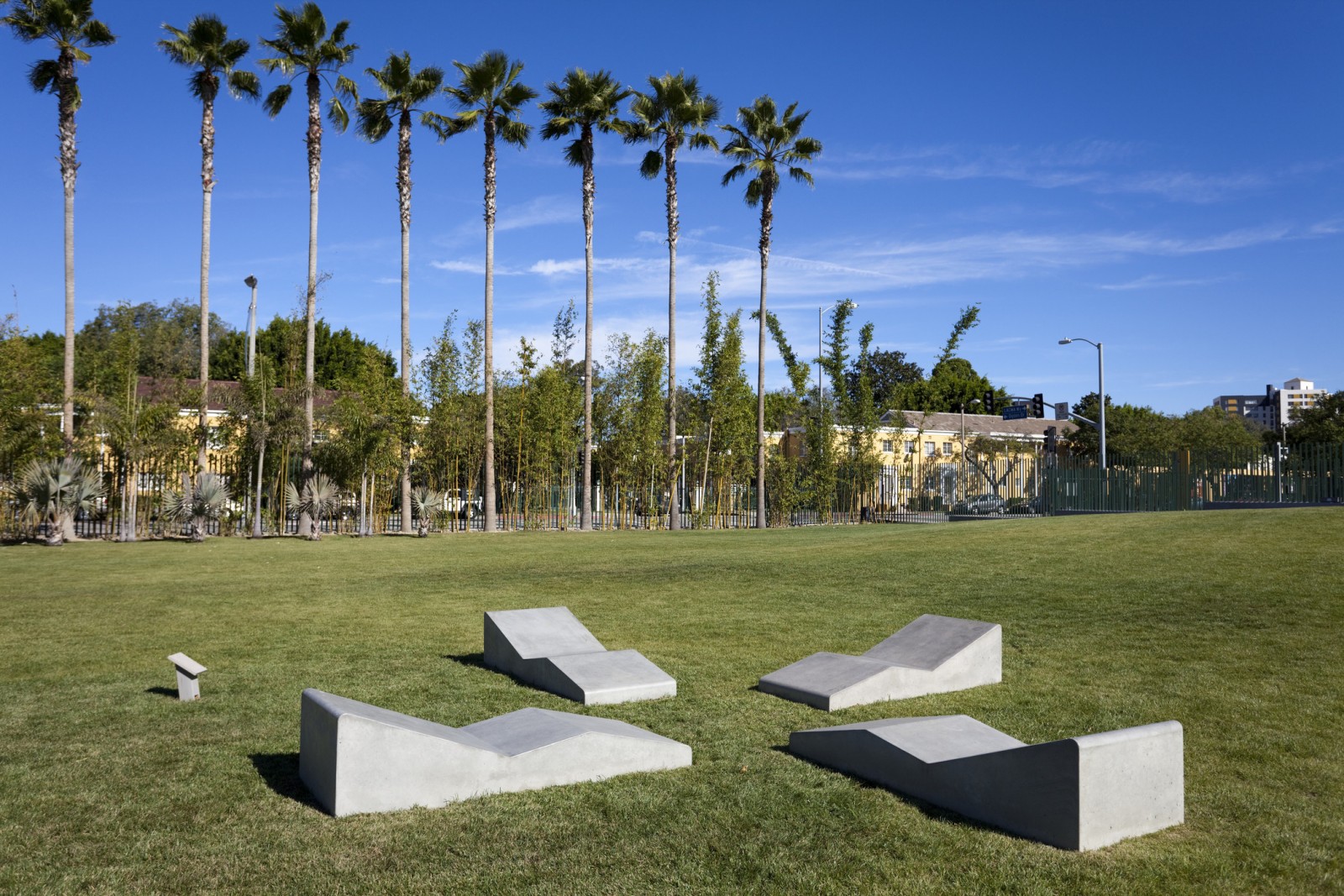
Teresa Margolles in collaboration with Los Angeles Nomadic Division (LAND), Los Angeles County Museum of Art (2010-11)
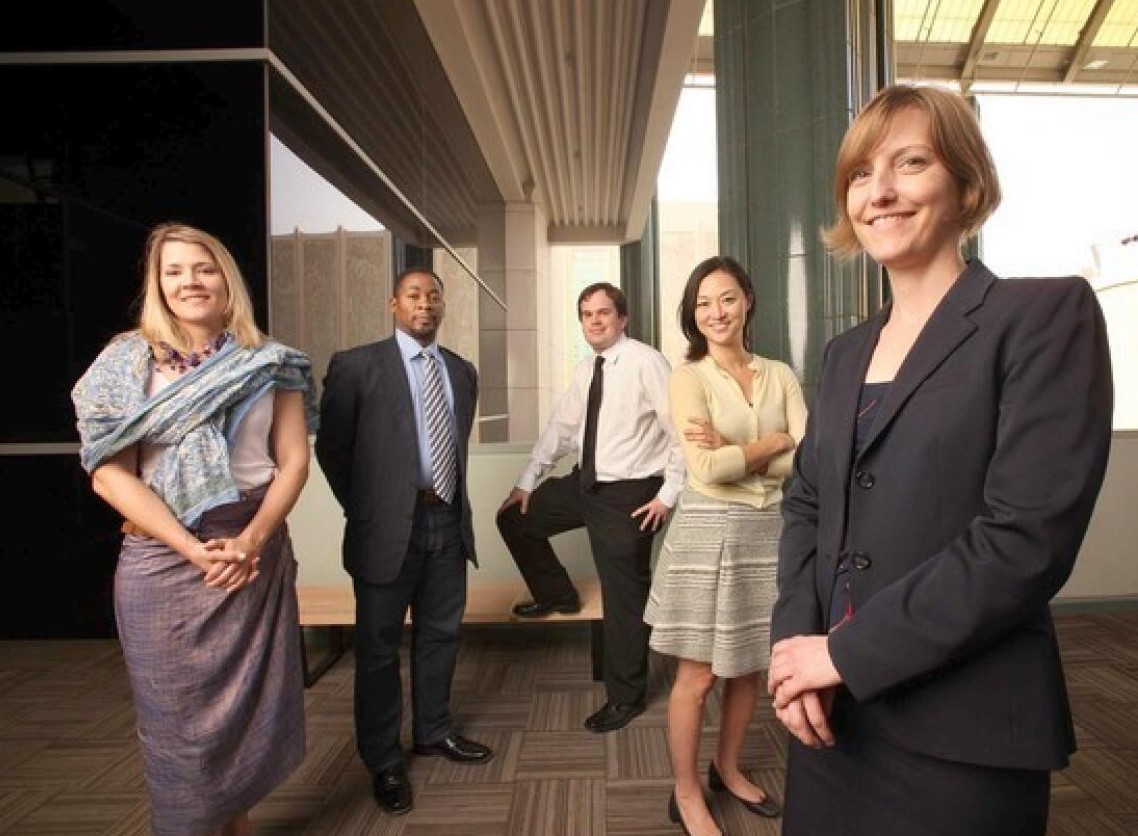
Muchnic, Suzanne. “New Faces on Southland Art Museum Scene.” Los Angeles Times (April 2010)
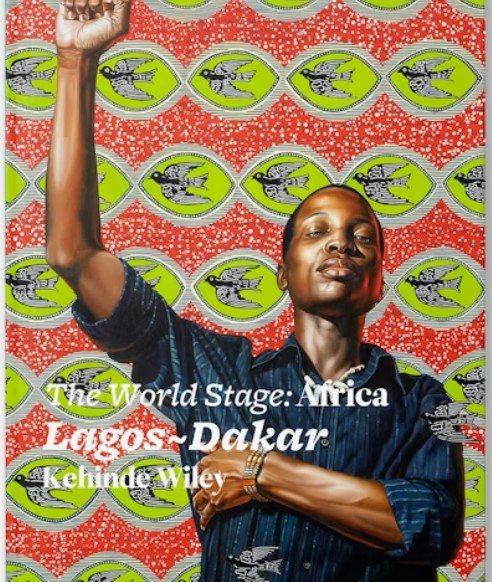
Kehinde Wiley: The World Stage: Africa, Lagos ~ Dakar, solo exhibition, Studio Museum in Harlem, New York (2008)

Flow, group exhibition, The Studio Museum in Harlem, New York (2008)
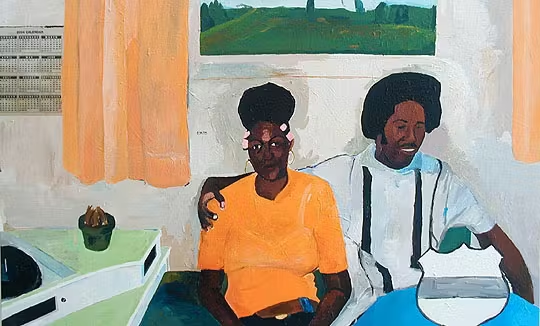
Henry Taylor: Sis and Bra, solo exhibition, Studio Museum in Harlem, New York (2007)

Philosophy of Time Travel, group exhibition, Studio Museum in Harlem, New York (2007)
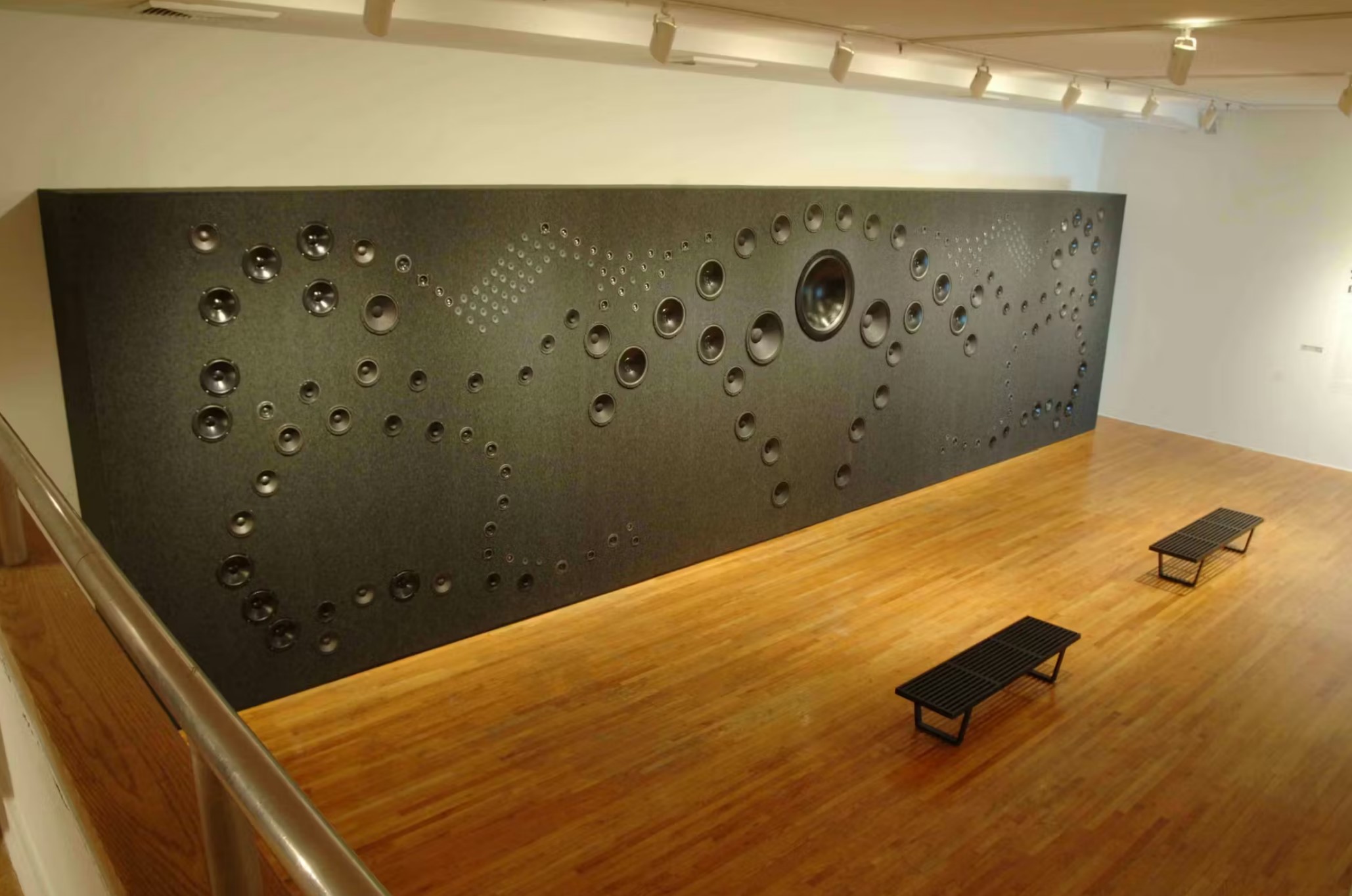
Nadine Robinson: Alles Grau, The Studio Museum in Harlem, New York (2006)
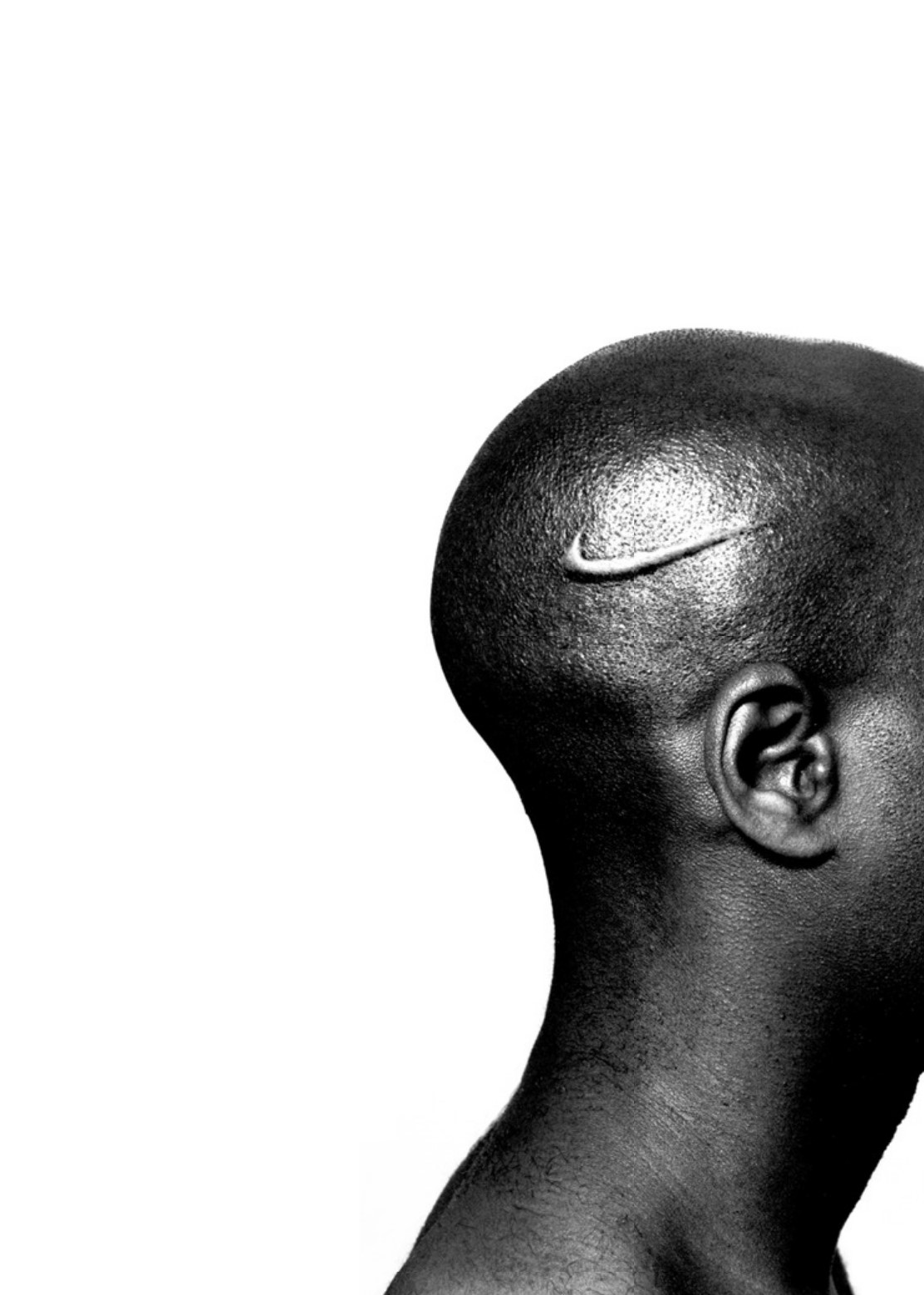
Frequency, group exhibition, Studio Museum in Harlem, New York (2005)
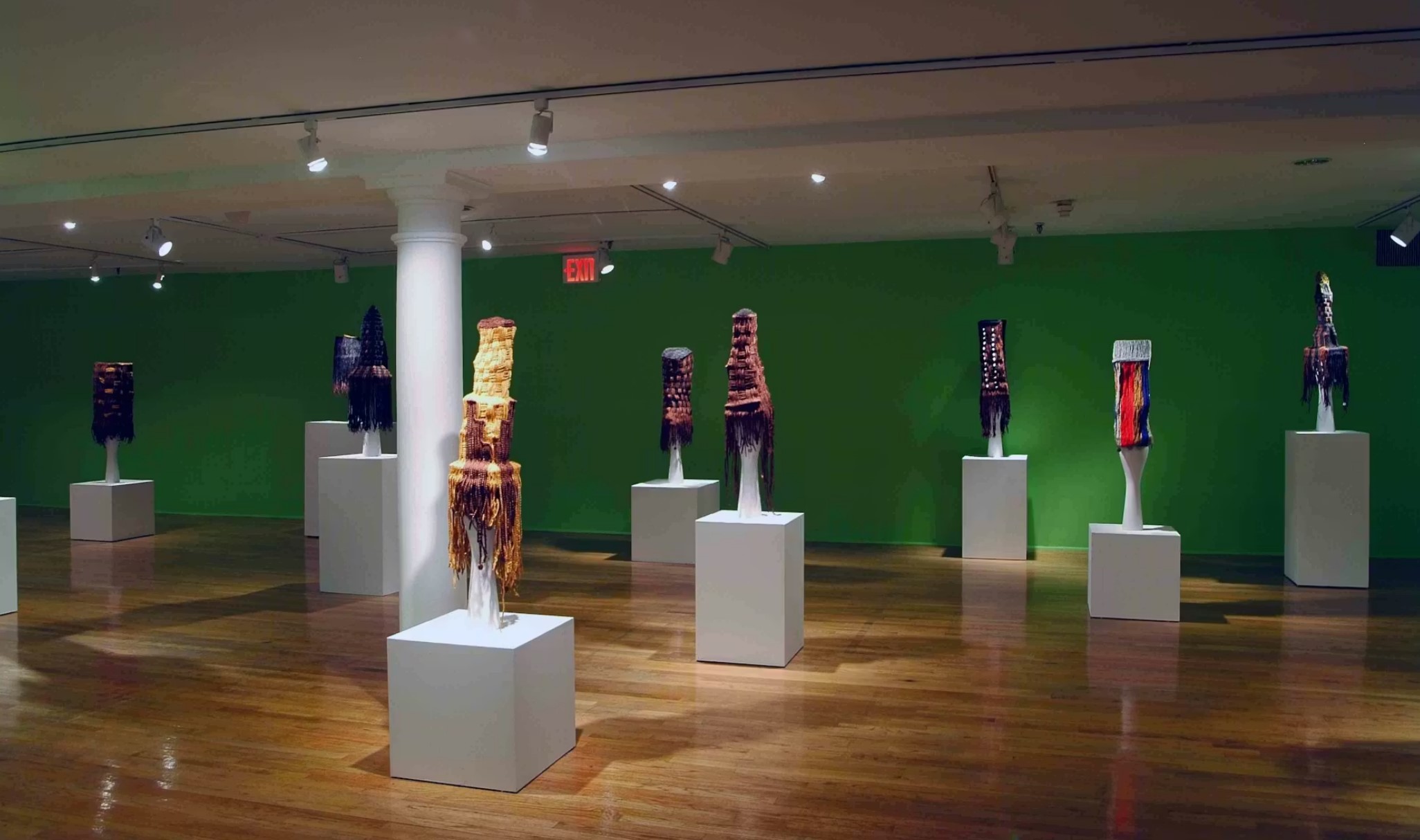
Meschac Gaba: Tresses, solo exhibition, Studio Museum in Harlem, New York (2005)
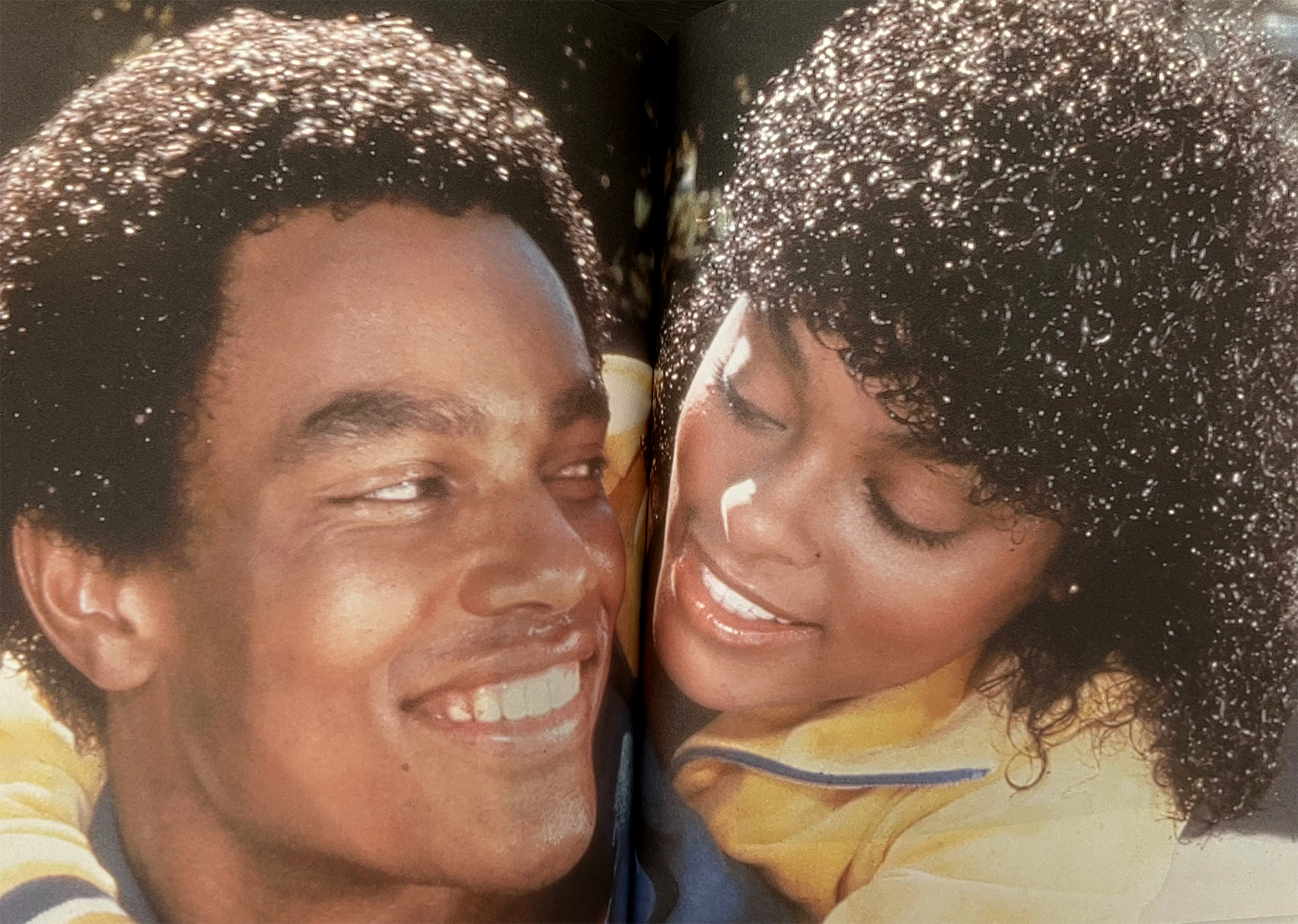
“Mark Bradford: it’s tricky to rock a rhyme to rock a rhyme that’s right on time.” Zing Magazine (Winter 2005)
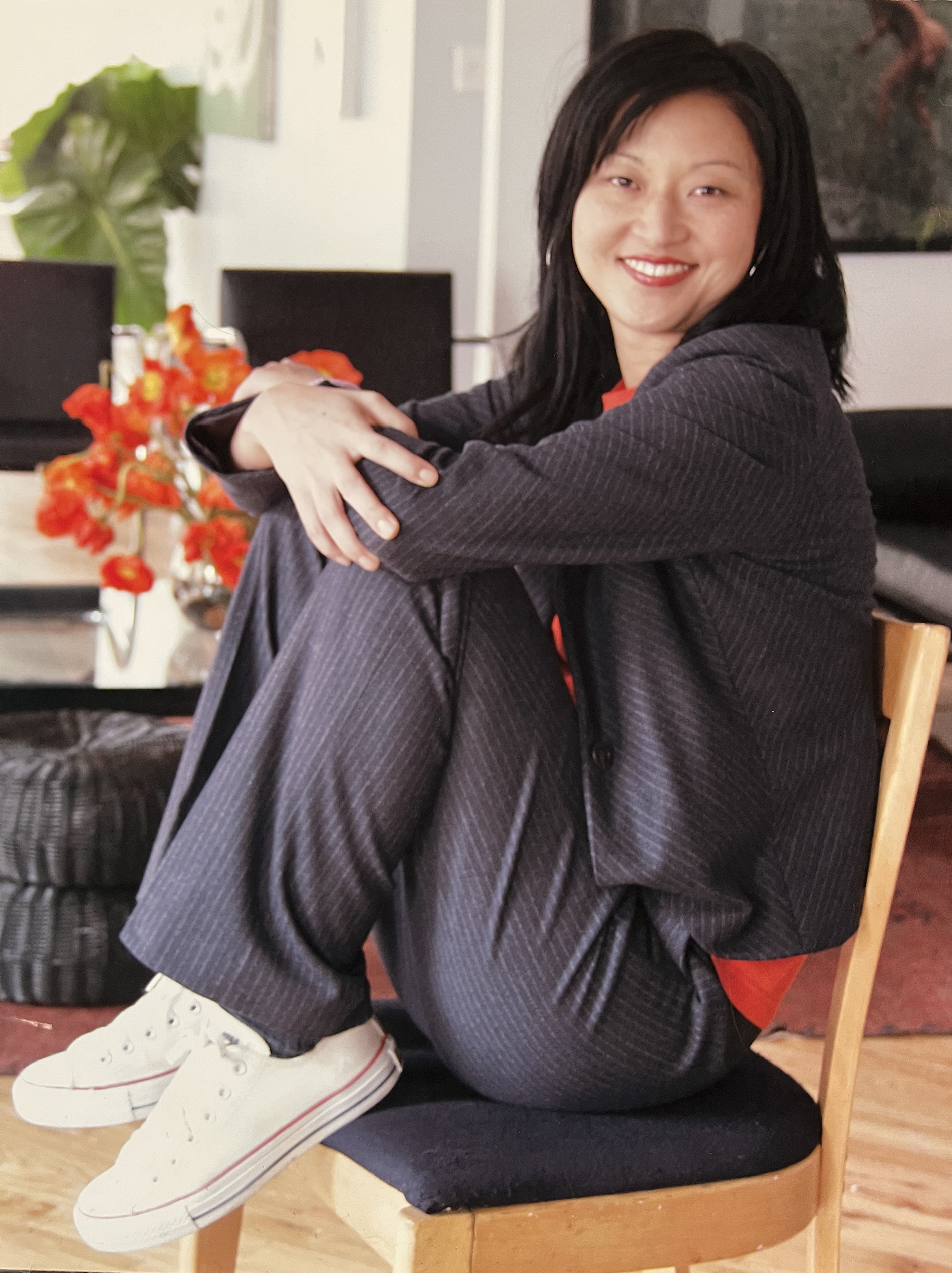
Barreneche, Raul A. “Fine, Found and Borrowed.” The New York Times (June 2004)
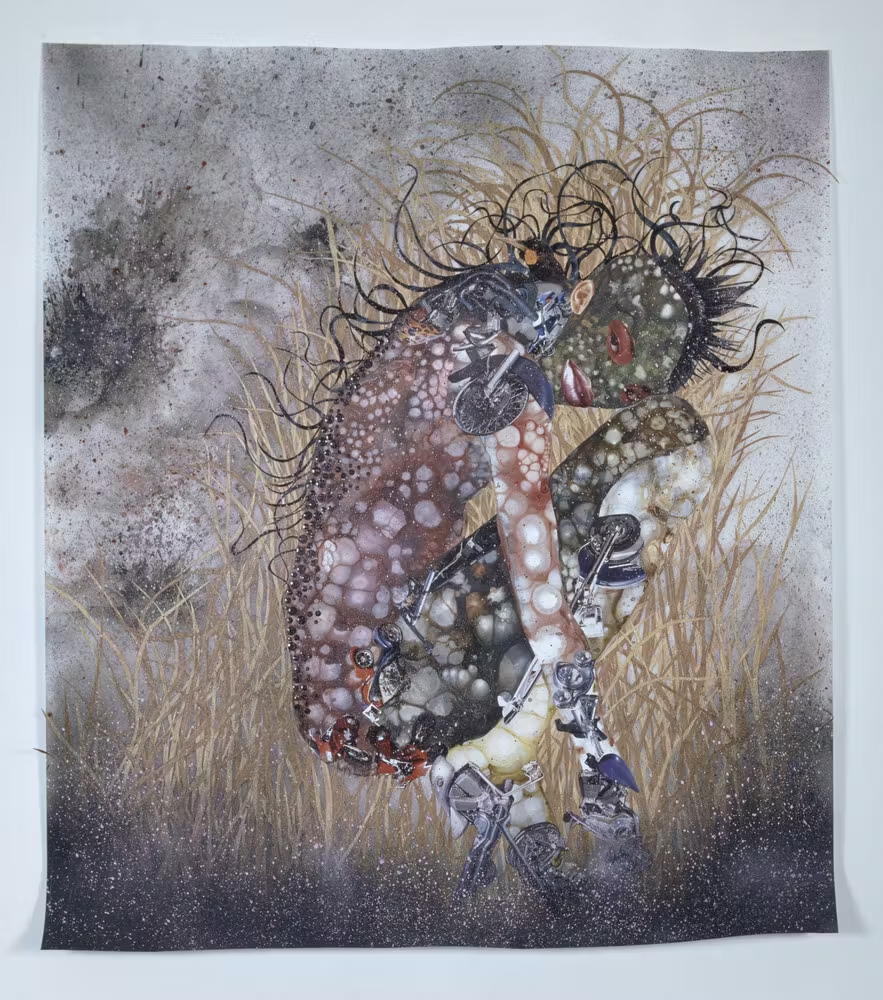
Figuratively: Dave McKenzie, Wangechi Mutu, and William Villalongo, group exhibition, Studio Museum in Harlem, New York (2004)
.png)
Black Belt, group exhibition, Studio Museum in Harlem, New York (2003)
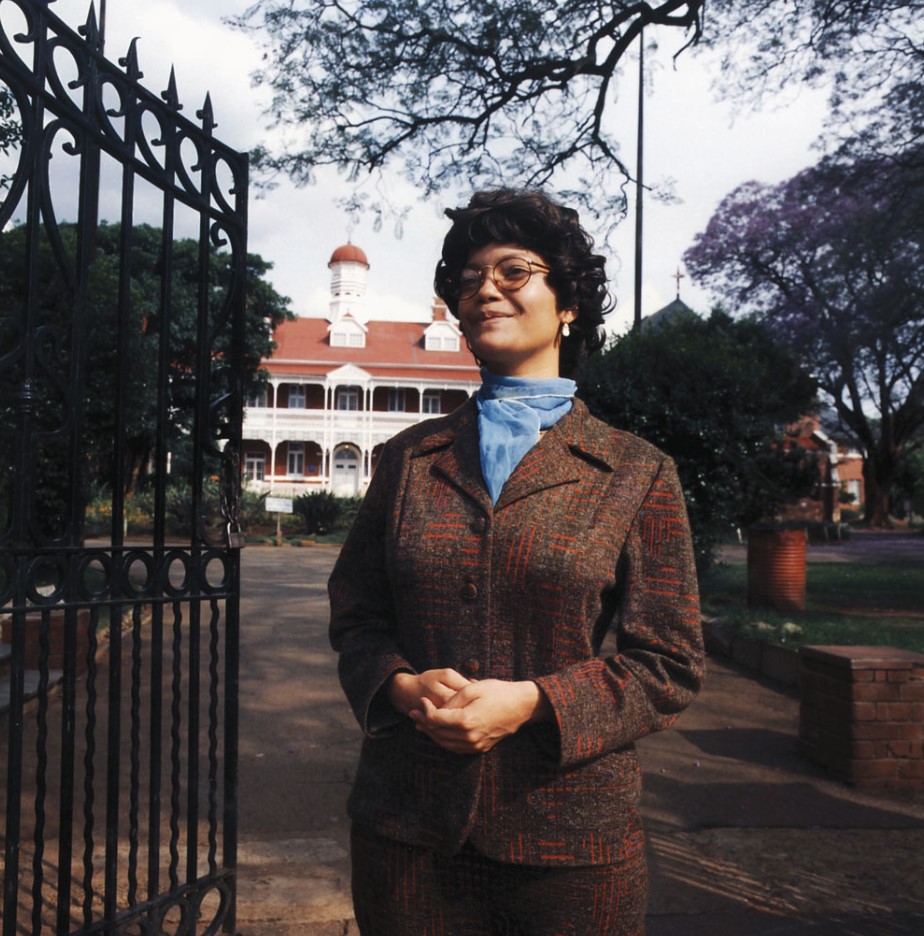
Africaine, group exhibition, Studio Museum in Harlem, New York (2001)
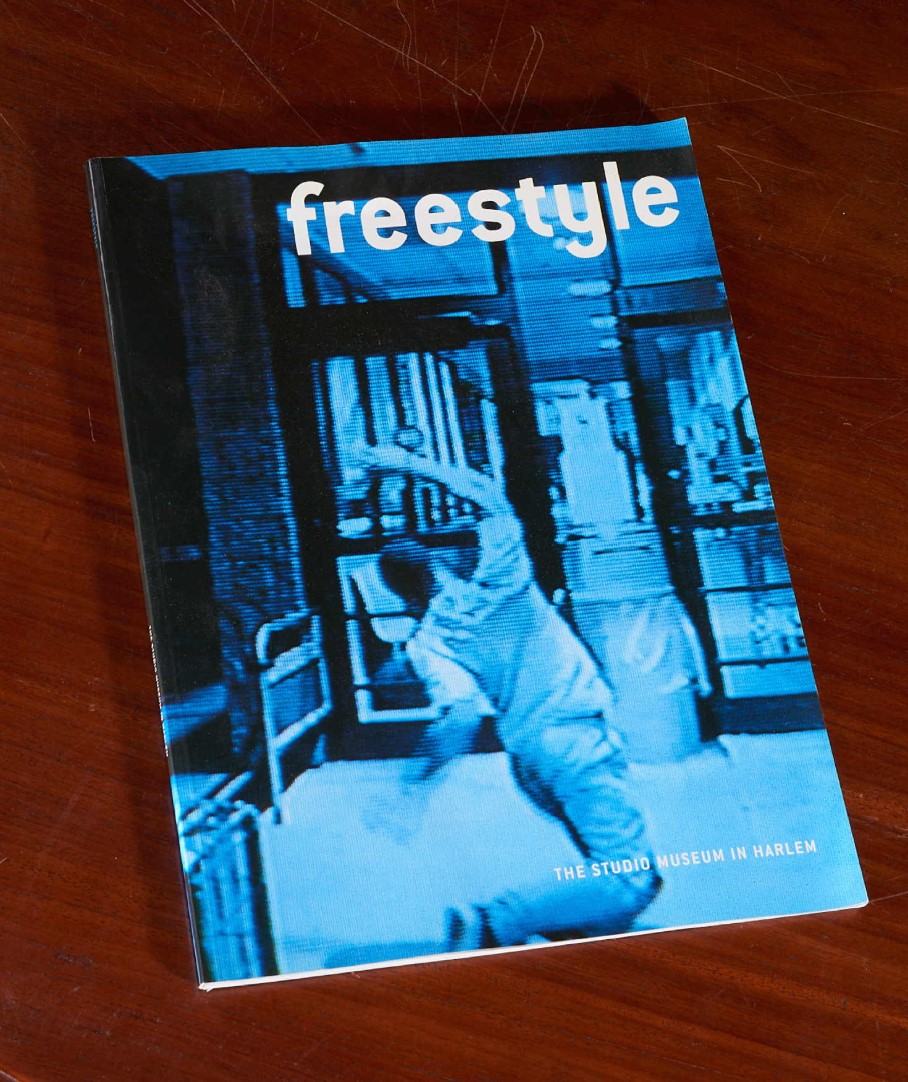
Freestyle, group exhibition, Studio Museum in Harlem, New York (2001)
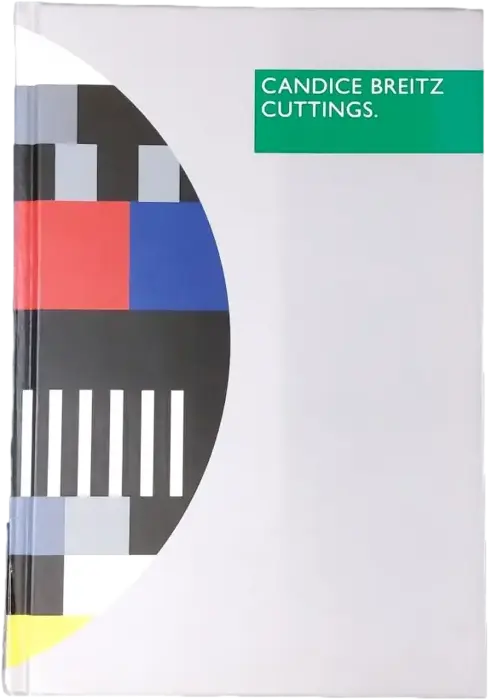
“Candice Breitz: Third Degree Burn.” Candice Breitz: Cuttings, exhibition catalogue, O.K Centrum für Gegenwartskunst, Linz, Austria (2001)
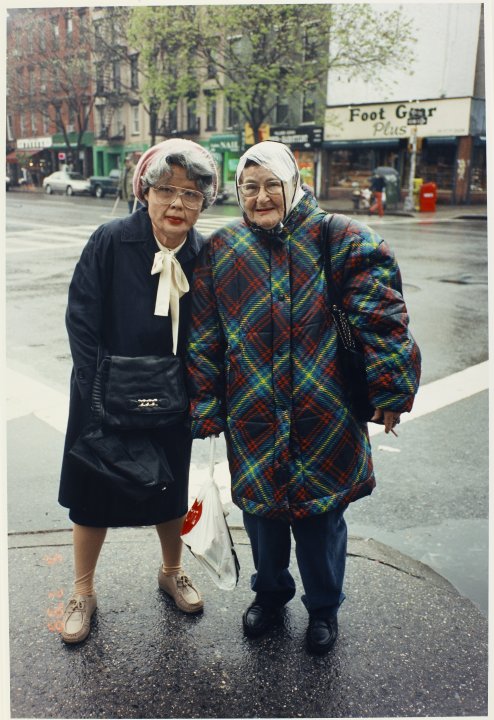
Purloined, group exhibition, Artists Space, New York (2001)


